The Meaning of Jewellery Across Cultures – Symbolism and Traditions

The Meaning of Jewellery Across Cultures – Symbolism and Traditions
For thousands of years, jewellery has been far more than decoration. It has served as a marker of status, a spiritual talisman, a declaration of love, and a link between generations. From the first shell necklaces to contemporary gold and silver designs, jewellery reflects human values, beliefs, and identity. But how does its meaning differ across cultures – and which traditions continue to shape the way we wear jewellery today?
Jewellery as a Symbol of Status and Power
Throughout history, jewellery has been closely tied to wealth and authority. In ancient Egypt, pharaohs and nobles wore heavy gold ornaments as signs of divine power. Gold, associated with the sun, symbolised eternity and immortality.
In India, gold jewellery has long been both a display of prosperity and a form of financial security. At weddings, brides are adorned with intricate gold pieces, often passed down through generations, representing both family honour and economic independence.
In Europe, jewellery historically reflected social hierarchy. Nobles wore diamonds, pearls, and precious stones, while commoners used silver, bronze, or glass. The materials and craftsmanship of one’s jewellery told a story about who they were – and where they belonged.
Jewellery as Protection and Faith
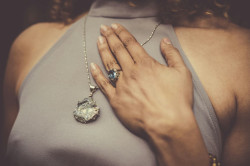
Beyond status, jewellery has often carried spiritual or protective meaning. Across the Middle East and North Africa, the evil eye amulet is worn to ward off envy and misfortune. In Christianity, the cross pendant has long symbolised faith and divine protection, while in Hinduism and Buddhism, sacred symbols such as the lotus flower or the Om mantra are worn to attract peace and enlightenment.
In the Pacific, many traditional societies have used jewellery made from shells, bones, and stones as protective charms. Māori hei tiki pendants, carved from pounamu (greenstone), are believed to embody ancestral strength and spiritual guidance. These pieces are treasured heirlooms, connecting the wearer to their whakapapa – their lineage and identity.
Love, Relationships, and Life’s Milestones
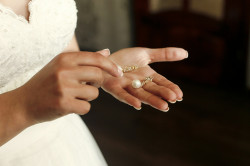
Jewellery plays a central role in human relationships. Engagement and wedding rings are perhaps the most universal symbols of love and commitment. The circular shape of the ring, with no beginning or end, represents eternity – a promise that transcends time.
In many African and Asian cultures, jewellery is given to mark life’s key transitions: birth, coming of age, marriage, and even death. Each piece carries meaning, linking personal milestones to family and community traditions.
In modern New Zealand, jewellery continues to hold emotional significance. A pounamu pendant gifted to a loved one, a silver bracelet marking a graduation, or a ring passed down from a grandparent all carry stories that go far beyond their material value.
Læs også:

Jewellery as Cultural Identity and Art
Jewellery is also a powerful expression of cultural identity. In many Indigenous communities, the design, colour, and materials of jewellery communicate belonging and heritage. For Māori, the patterns carved into bone or stone are not merely decorative – they tell stories of ancestors, land, and spiritual connection.
Across the Pacific, from Samoa to Tonga, finely woven necklaces and shell ornaments are worn during ceremonies to honour family and community. These pieces are both art and history, embodying the values of respect, generosity, and continuity.
Today, New Zealand designers often draw inspiration from these traditional forms, blending them with contemporary aesthetics. The result is jewellery that bridges past and present – a meeting of craftsmanship, culture, and personal expression.
Jewellery in a Globalised World
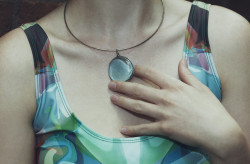
In a world where cultures and styles constantly interact, jewellery has taken on new meanings. Many people now choose pieces that reflect their personal values – sustainability, ethical sourcing, or cultural heritage. Recycled metals, locally sourced stones, and handcrafted designs are increasingly popular, reflecting a desire for authenticity and connection.
At the same time, ancient symbols are being reinterpreted in modern ways: a cross worn as a fashion statement, a jade pendant as a symbol of balance, or a bracelet of wooden beads as a reminder of mindfulness.
Jewellery remains one of humanity’s most enduring forms of self-expression – a way to tell our stories without words. Whether it is a treasured heirloom, a cultural emblem, or a simple token of affection, jewellery continues to reveal who we are, what we value, and how we connect to the world around us.
Læs også: