Body Ideals and Self-Image: How to Build a Realistic View of Your Body

Body Ideals and Self-Image: How to Build a Realistic View of Your Body
In a world where social media, advertising, and pop culture constantly present images of the “perfect body,” it can be difficult to maintain a healthy and realistic view of ourselves. Many people find themselves comparing their bodies to ideals that are often unattainable – and that can affect both confidence and wellbeing. But a positive body image isn’t about changing your body; it’s about changing how you see it. Here’s how you can build a more realistic and compassionate relationship with your body.
Body Ideals Through Time – and Why They Matter
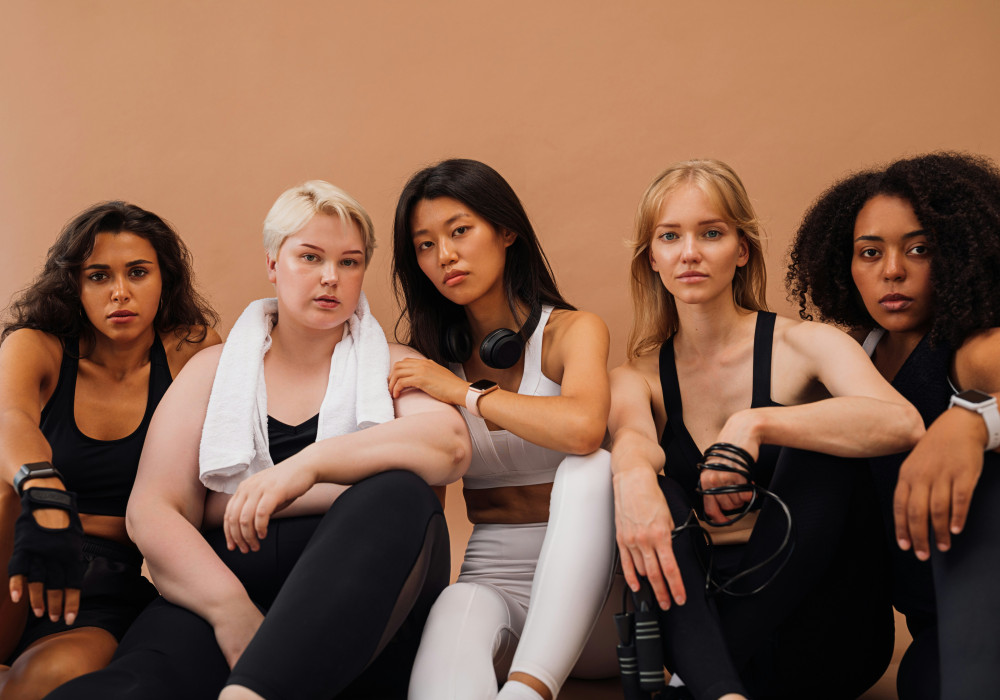
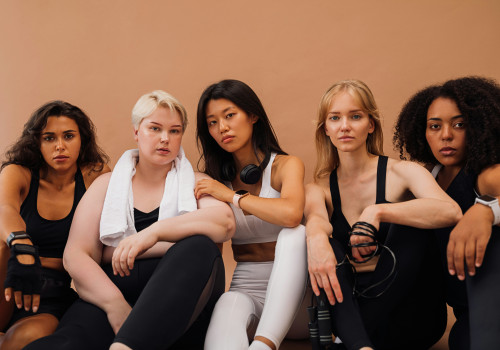
Body ideals have always existed, but they’ve changed dramatically over time. In some eras, fuller figures were seen as a sign of health and prosperity, while other times have celebrated slim, athletic, or muscular bodies. Today, ideals are more diverse – but also more visible than ever before.
In New Zealand, as in many other countries, social media plays a huge role in shaping how people see themselves. We’re constantly exposed to images that are filtered, edited, or carefully staged. This can create the illusion that there’s only one “right” way to look. When we compare ourselves to these images, it can lead to dissatisfaction and self-criticism.
Recognising that body ideals are cultural and historical can be the first step toward freeing yourself from them. There is no single “correct” body – only your own.
Læs også:


See Your Body as More Than an Appearance
Many of us have learned to judge our bodies by how they look rather than what they can do. But your body is so much more than a reflection in the mirror – it carries you through life, lets you move, feel, experience, and connect with others.
Try shifting your focus from appearance to function:
- Think about what your body does for you every day – it breathes, walks, hugs, laughs, and keeps you alive.
- Practice speaking kindly to yourself. Would you say the same things to a friend that you say to yourself?
- Care for your body through movement, rest, and nourishing food – not because it needs to change, but because it deserves care.
When you start seeing your body as an ally rather than an enemy, it becomes easier to feel at peace in it.
Navigate Social Media Mindfully
Social media can inspire or pressure us – it depends on how we use it. If scrolling through your feed often leaves you feeling inadequate, it might be time to make some changes.
- Follow accounts that celebrate body diversity and authenticity.
- Unfollow or mute content that makes you compare yourself negatively.
- Remember that photos rarely show the full truth – they’re moments, not realities.
Creating a more positive digital environment can make a big difference to your self-image.
Talk Openly About Body Image – Especially With Young People
Children and teenagers are exposed to body ideals early on. As a parent, teacher, or friend, you can help create a healthier perspective by talking openly about body image. Avoid commenting on weight or appearance – your own or others’ – and focus instead on what bodies can do and how they feel.
In New Zealand, where outdoor activities and sports are a big part of life, it’s important to remind young people that strength, energy, and wellbeing come in many shapes and sizes. Showing that you’re also working on accepting your own body sends a powerful message. It’s not about being perfect – it’s about being honest and aware.
Find Joy in Movement – Not in Burning Calories
Exercise can be a wonderful way to strengthen both body and mind, but only if the motivation comes from the right place. When movement becomes a way to “fix” your body, it can lead to guilt and pressure. Instead, try finding activities that bring you joy.
It might be tramping in the bush, swimming at the beach, dancing, yoga, or simply walking your dog. When you move because it feels good, your body becomes a source of energy and happiness – not a project to be perfected.
A Realistic Body Image Is a Journey
Building a healthy relationship with your body doesn’t happen overnight. It takes time, patience, and awareness. There will be days when you feel comfortable in your skin and days when you don’t – and that’s completely normal.
The most important thing is to meet yourself with kindness. Your body isn’t a problem to be solved, but a part of you that deserves respect and care. When you learn to see it with realistic eyes, you make space for calm, strength, and joy – exactly as you are.
Læs også: