Women in Politics Across Generations – Different Paths Toward Shared Goals


Women in Politics Across Generations – Different Paths Toward Shared Goals
From the early suffragists to today’s ministers and party leaders, women in politics have fought to be heard, respected, and to shape the direction of their societies. The struggle has changed form over the generations, but the goal has remained the same: equality, representation, and the right to influence the future. Today’s women stand on the shoulders of those who came before them – yet they continue to forge new paths of their own.
The First Steps – The Fight for the Vote and a Voice
In the late 19th and early 20th centuries, politics was a man’s world. Women were expected to focus on home and family, not on public life. But in New Zealand, a group of determined women refused to accept that limitation. Their efforts led to a historic milestone in 1893, when New Zealand became the first self-governing country in the world to grant women the right to vote.
The early female activists and politicians faced a double challenge: proving that women could handle political issues on equal footing with men, while also bringing forward perspectives shaped by their own experiences. Many focused on education, health, and social welfare – issues that were once dismissed as “women’s concerns” but are now recognised as central to the wellbeing of society.
Læs også:

Post-War Generations – From Symbol to Substance
After the Second World War, more women began to enter political parties, local councils, and public service. They were still in the minority, but their presence changed the tone of political debate. Figures such as Mabel Howard, New Zealand’s first female Cabinet Minister, showed that women could combine compassion with political skill and authority.
The women’s movement of the 1970s and 1980s brought new energy and focus. Calls for equal pay, parental leave, and greater representation in leadership roles became part of the national conversation. Women in politics increasingly saw themselves as part of a broader movement for social change – not just as individuals breaking barriers, but as advocates for a more inclusive democracy.
The Modern Era – New Agendas and New Challenges
Today, women are an integral part of New Zealand’s political landscape. The country has had several female party leaders and three female prime ministers, including the globally recognised leadership of Jacinda Ardern. Gender balance in Parliament has improved significantly, and women now hold key roles across government and local councils. Yet challenges remain.
Modern female politicians face intense scrutiny from media and social platforms. They are judged not only on their policies but also on their appearance, tone, and personal lives. Online harassment and misinformation have become serious issues, testing resilience and resolve. At the same time, women are expected to be both strong leaders and relatable role models – a balance that can be difficult to maintain.
On the positive side, the digital age has also opened new opportunities. Social media allows women to connect directly with voters, build networks, and support one another across party lines. The conversation about equality is now global, and New Zealand’s women in politics contribute to international efforts for gender equity and human rights.
Shared Goals – Different Paths
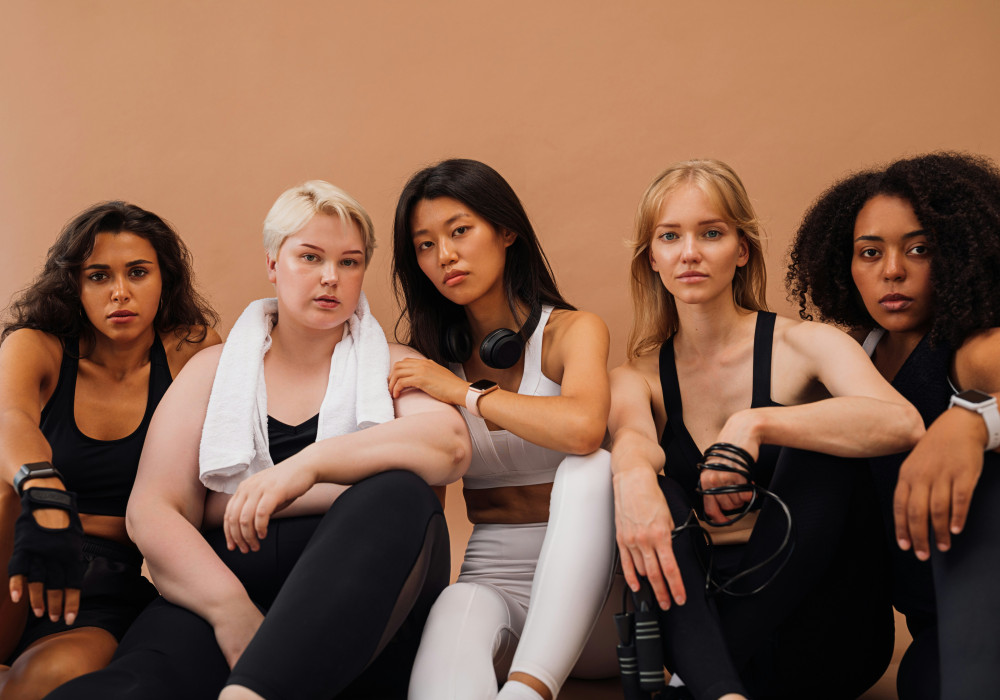
Although women in politics have taken different routes through the decades, they have shared a common purpose: to create a fairer, more inclusive society. Some have worked within established institutions, others have challenged them from the outside. Some have focused on traditional equality issues, while others have championed climate action, economic reform, or foreign policy – always with an awareness of how decisions affect people’s everyday lives.
It is this diversity of approach that has made women’s contributions so powerful. They have shown that there is no single way to be a political leader – and that representation is about more than gender. It is about perspective, experience, and the courage to stand firm, even when the opposition is strong.
The Future – A New Generation Steps Forward
The next generation of women in politics is growing up in a time when equality is often assumed, yet disparities still exist in practice. They face new questions: How can diversity be strengthened in decision-making? How can digital threats and misinformation be managed? And how can trust be rebuilt in an era when politics is often reduced to headlines and hashtags?
If history teaches us anything, it is that progress never happens by itself. It requires persistence, collaboration, and the ability to bridge generations. Women in politics have proven that change is possible – not through one single path, but through many different journeys toward a shared goal.
Læs også: