How to Care for Your Jewellery – Maintenance That Extends Its Lifespan


How to Care for Your Jewellery – Maintenance That Extends Its Lifespan
Jewellery is more than decoration – it often carries memories, meaning, and personal value. Whether it’s a family heirloom, a gift from a special occasion, or your favourite everyday piece, it deserves proper care. With the right maintenance, your jewellery can retain its shine and beauty for many years. Here’s a guide to help you look after your jewellery in a New Zealand context.
Know Your Materials – The Key to Proper Care
Different materials require different care routines. Before cleaning or storing your jewellery, it’s important to know what it’s made of.
- Gold is a soft metal that rarely tarnishes but can scratch easily. Clean it gently with warm water and mild soap.
- Silver tends to darken over time due to exposure to air and sulphur. Use a silver polishing cloth or a silver-specific cleaner.
- Gold-plated jewellery needs extra care, as the thin layer of gold can wear off. Avoid rubbing too hard and use only a soft cloth.
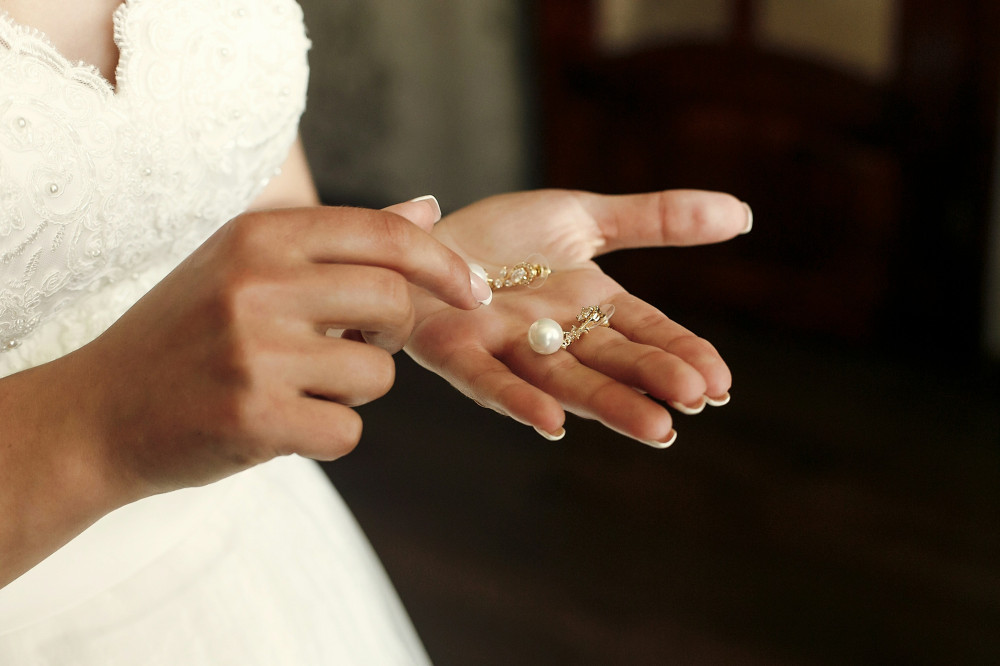
- Pearls and gemstones are sensitive to chemicals. Wipe them with a damp, soft cloth and keep them away from perfume, hairspray, and cleaning products.
Once you know the material, you can choose the gentlest cleaning method and avoid causing damage.
Læs også:


Avoid Contact with Chemicals
One of the biggest threats to your jewellery’s lifespan is exposure to chemicals. Perfume, sunscreen, cleaning products, and even sweat can dull metals and damage stones.
Always remove your jewellery before you:
- Apply perfume, lotion, or makeup.
- Shower, swim, or clean.
- Exercise or do outdoor activities.
This might take some getting used to, but it will significantly extend the life of your jewellery.
Clean Your Jewellery Regularly
Even with careful use, jewellery collects dust, oils, and dirt over time. A gentle clean every now and then can make a big difference.
- Soak your jewellery in a bowl of warm water with a drop of mild dish soap.
- Use a soft toothbrush to gently clean small crevices.
- Rinse with clean water and dry with a soft, lint-free cloth.
Avoid toothpaste or abrasive brushes – they can scratch the surface. For pieces with stones or pearls, always check that the settings are secure before cleaning.
Store Your Jewellery Properly
How you store your jewellery affects how well it lasts. Jewellery should never be left tangled or rubbing against other pieces, as this causes scratches and wear.
- Store each piece in separate pouches or boxes.
- Use a jewellery box with soft compartments or fabric bags.
- Keep silver and gold separate, as different metals can react with each other.
- Avoid damp areas like bathrooms – humidity speeds up tarnishing.
A handy tip is to place a small piece of chalk or a silica gel packet in your jewellery box to absorb moisture and help keep silver bright.
Be Mindful of Wear and Tear
Even the most durable jewellery will show signs of wear over time, especially pieces you wear daily. Rings and bracelets are most exposed, as they often come into contact with surfaces.
Remove your jewellery when gardening, cooking, or doing DIY projects. If you have pieces with stones, have them checked by a jeweller occasionally – settings can loosen, and stones can fall out.
Seek Professional Help When Needed
Sometimes your jewellery needs more than a home clean. A professional jeweller can polish, deep-clean, and inspect your pieces for damage. It’s a good idea to have this done once a year, especially for items you wear often.
For heirlooms or high-value pieces, consider having them appraised and insured. This provides peace of mind in case of loss or damage.
Jewellery with Meaning Deserves Care
Many pieces of jewellery hold sentimental value that far exceeds their price. A ring passed down through generations or a necklace from a milestone event can’t be replaced. By caring for your jewellery, you’re also preserving the memories and stories they represent.
With a little attention and regular maintenance, your jewellery can stay beautiful for years to come – and perhaps even be passed on to the next generation.
Læs også: