Play with Light and Shadow: Create Mood and Depth in Your Photos


Play with Light and Shadow: Create Mood and Depth in Your Photos
Light is the heart of photography. Whether you’re shooting with your phone, a mirrorless camera, or a DSLR, it’s the light that shapes your subject, sets the mood, and brings your image to life. But just as important as light is shadow – without shadow, there’s no depth. Learning to play with the contrast between brightness and darkness can transform your photos from flat and ordinary to atmospheric and expressive.
Here’s some inspiration and practical advice on how to use light and shadow intentionally when you photograph – both outdoors and indoors.
Understand the Direction and Quality of Light
Light is constantly changing – in strength, colour, and direction – and that affects how your subject appears.
- Front light (when the light comes from behind the camera) gives evenly lit images with few shadows. It’s great for portraits when you want a clear, friendly look.
- Side light creates depth and texture. It highlights shapes and surfaces, making it ideal for more dramatic or artistic images.
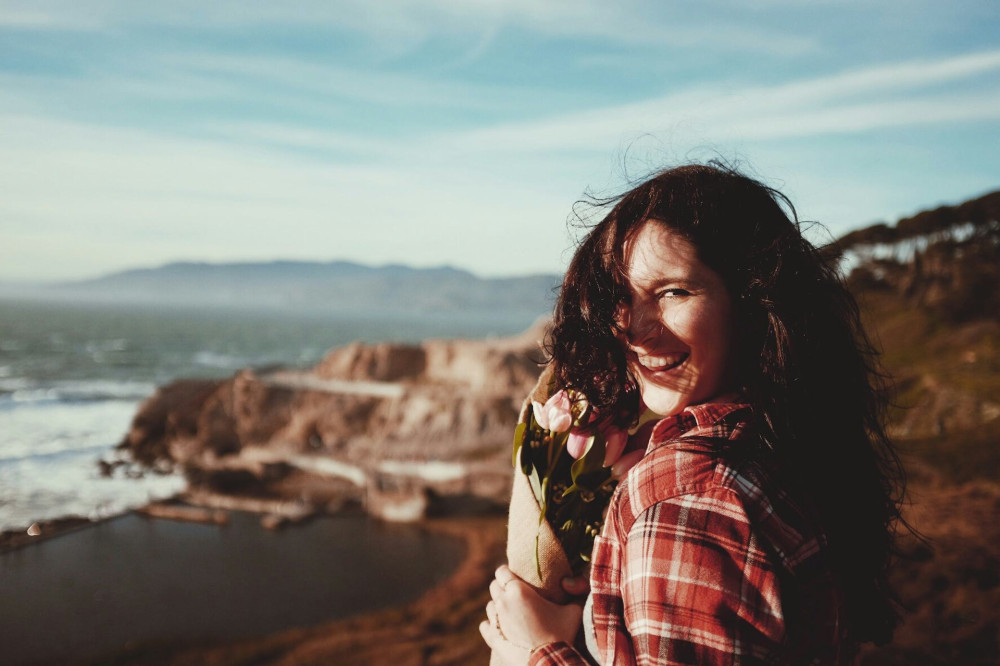
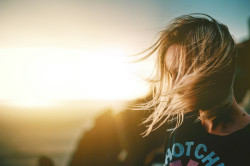
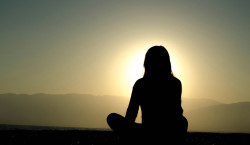
- Backlight (when the light comes from behind your subject) can produce beautiful silhouettes or a glowing rim of light. It does, however, require careful exposure so your subject doesn’t turn completely dark.
Move around your subject and observe how the light changes. Sometimes just a small shift in position can completely alter the mood.
Læs også:
Use Natural Light – and Learn to See It
New Zealand’s light is unique – crisp, bright, and ever-changing with the weather. The best natural light often appears during the golden hours: early morning and late afternoon, when the sun sits low and the light is soft and warm. Midday light, especially under the strong summer sun, can be harsh and create deep shadows – but that can also be used creatively to add contrast and energy.
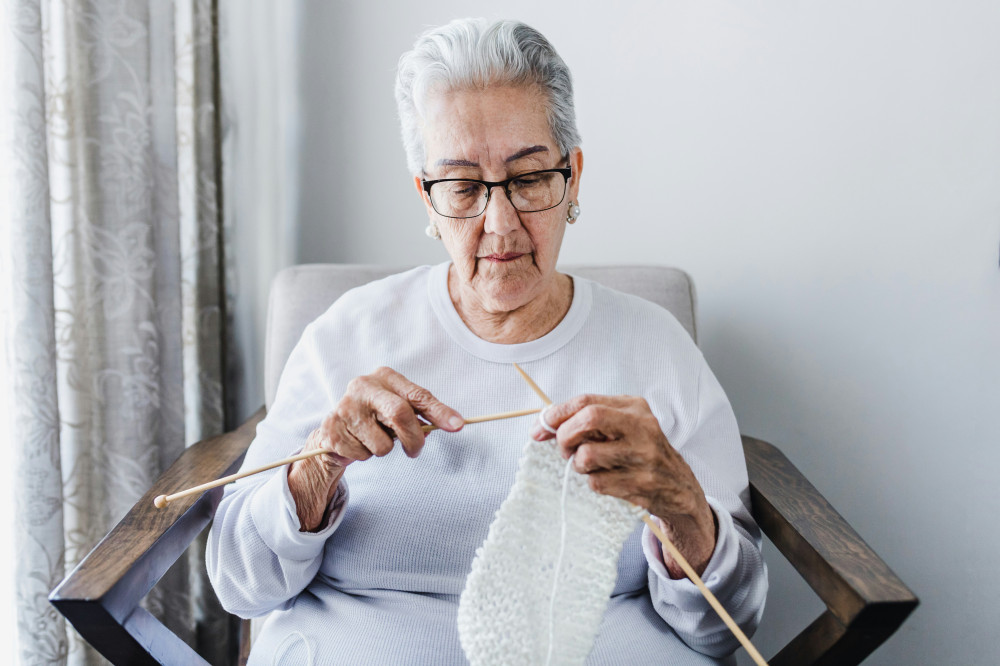
On cloudy days, the light becomes diffused and gentle, perfect for portraits or landscapes with subtle tones. Indoors, make the most of window light. A single window can act as a natural softbox, casting beautiful, soft shadows. Try positioning your subject close to the window and experiment with angles – small adjustments can make a big difference.
Create Atmosphere with Shadows
Shadows aren’t something to avoid – they’re part of your story. A shadow can suggest something unseen, adding mystery or depth to your image.
Play with patterns from blinds, tree branches, or curtains that cast shadows across your subject. This can create a poetic or graphic effect.
When photographing people, use shadows to highlight facial features or to add drama. Be mindful, though, that hard shadows can look harsh – experiment with different light intensities and distances to find the right balance.
Use Reflections and Artificial Light
Reflections are a simple way to control light. A white wall, a piece of cardboard, or even a mirror can bounce light back onto your subject and soften shadows.
If you want to work with artificial light, you don’t need expensive gear. Desk lamps, candles, or fairy lights can all create interesting effects. The key is to understand how the light falls. A shaded lamp gives soft light, while a bare bulb produces strong, defined shadows.
Try mixing light sources – for example, warm indoor light with cool daylight from a window – to create contrast and mood.
Think in Contrasts and Colour Tones
Light and shadow aren’t just about brightness; they’re also about colour. Warm light (from sunset or candlelight) gives a golden tone, while cool light (from shade or LED bulbs) adds a bluish tint.
By combining warm and cool tones, you can create balance or tension in your image. A portrait in warm light against a cool background, for instance, can produce a striking contrast that draws attention to your subject.
Practice – and Learn to See the Light
Mastering light and shadow takes practice, but it starts with observation. Notice how light falls on faces, buildings, and landscapes around you. How does it change throughout the day? What shadows appear, and how do they affect the mood?
The more you train your eye, the better you’ll become at using light intentionally. And remember: there’s no single “right” light – only the one that best tells the story you want to share.
Læs også: