Give Textiles New Life: Repair, Renew and Create with Your Hands

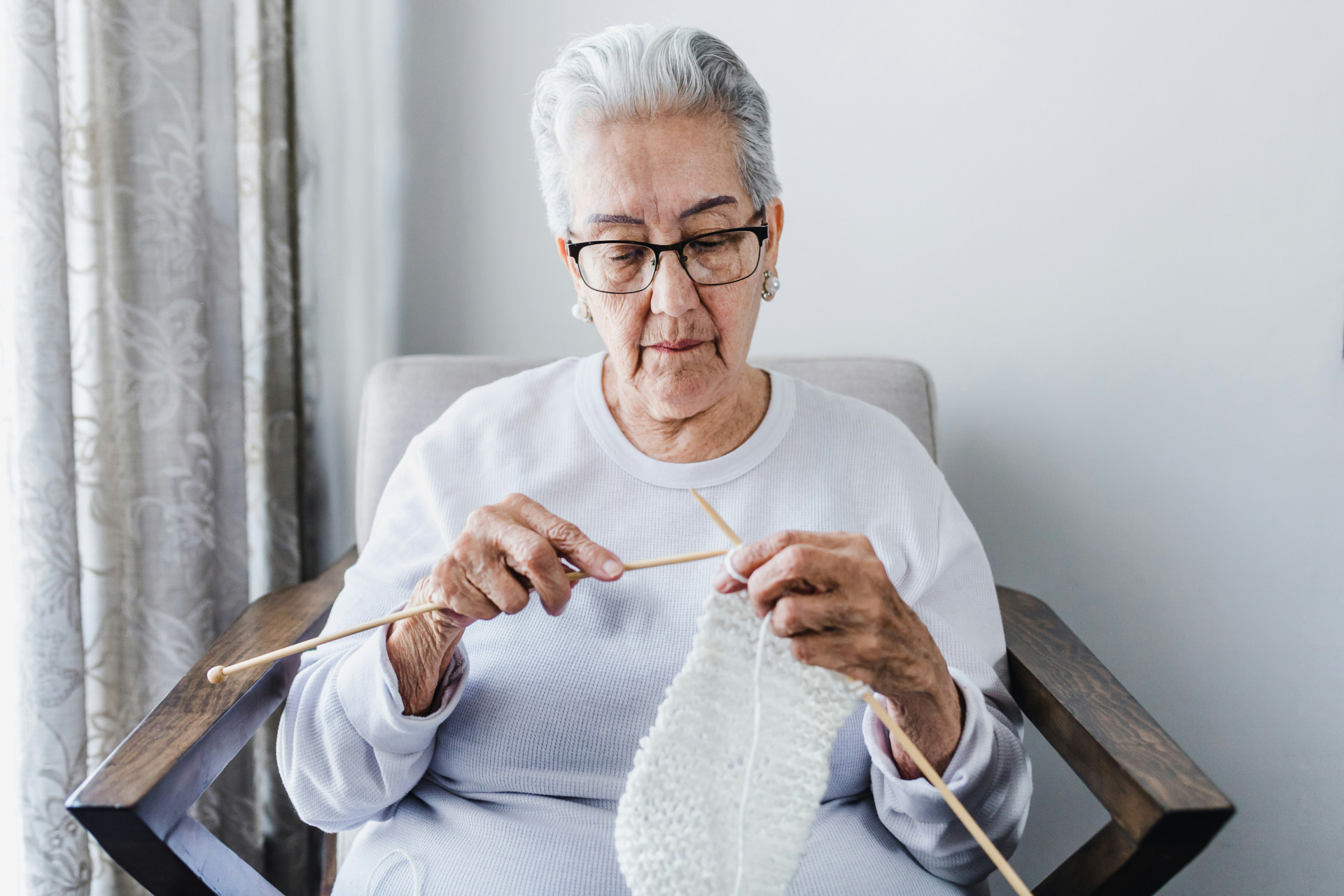
Give Textiles New Life: Repair, Renew and Create with Your Hands
In a world where sustainability and conscious living are becoming more important every day, there’s a growing movement to pick up a needle and thread and take matters into our own hands. Repairing and renewing clothing isn’t just about saving money – it’s about creativity, connection, and caring for the planet. With a few simple tools and a bit of patience, you can give your textiles new life and create something truly unique.
Why Repair Instead of Throw Away?
Every year, tonnes of clothing end up in landfills across New Zealand, even though much of it could have been saved with a small repair. A missing button, a torn seam, or a faded colour doesn’t mean a garment’s life is over. In fact, these small flaws can be the start of something new.
When you repair, you reduce waste and conserve resources. You also build a deeper relationship with your clothes – you know the story behind each piece you’ve mended or transformed. There’s a special satisfaction in wearing something you’ve saved with your own hands.
Simple Repairs That Make a Big Difference
You don’t need to be a professional tailor to get started. Many repairs are quick and easy to learn:
- Sew on a button – a classic fix that takes minutes but extends a garment’s life for years.
- Patch a hole with visible stitching – the Japanese technique sashiko turns mending into art.
- Reinforce worn jeans – use contrasting fabric for a modern, patchwork-inspired look.
- Darn socks and jumpers – with a darning needle and some yarn, you can rescue your favourite knitwear.
Perfection isn’t the goal – progress is. Each repair is a small victory and a step toward a more sustainable wardrobe.
Refresh with Colour, Patterns and Details
When clothes start to feel dull, a few creative touches can make them exciting again. Dyeing, embroidery, and small design changes can transform an old piece into something that feels brand new.
- Dyeing – give faded shirts or dresses a fresh hue with fabric dye.
- Embroidery – add patterns, flowers, or words that make your clothing personal.
- Adjust the fit – take in a dress, turn a T-shirt into a crop top, or remove sleeves for a new style.
- Add details – new buttons, trims, or pockets can completely change the look.
Experimentation is key. Often, the best ideas come when you let creativity lead the way.
Create Something New from the Old
Old textiles can become entirely new items. Worn-out jeans can be turned into tote bags, cushion covers, or aprons. A wool jumper that’s shrunk in the wash can be cut up and made into mittens or pot holders. Even small fabric scraps can be used for patchwork, headbands, or gift decorations.
By reusing materials, you not only make something unique but also learn to see potential in what might otherwise be discarded.
Læs også:

Community and Inspiration
Across Aotearoa, there’s a growing network of sewing cafés, repair workshops, and community “mend and make” events where people share skills and ideas. Many local councils and sustainability groups host repair cafés where volunteers help fix clothes, bikes, and household items. Online, you’ll find countless tutorials and creative communities sharing patterns and inspiration. Seeing how others give new life to their textiles can spark your own next project.
A New Way to Think About Consumption
Repairing and renewing clothing is ultimately about rethinking how we consume. Instead of viewing clothes as disposable, we can see them as evolving companions that grow with us. Every stitch, patch, and alteration tells a story – of care, creativity, and respect for the resources we share.
So next time you’re about to toss out a worn piece of clothing, pause and ask yourself: can I give it new life with my own hands?
Læs også: