Two Families Become One: When Parenting and Everyday Habits Must Be United

Two Families Become One: When Parenting and Everyday Habits Must Be United
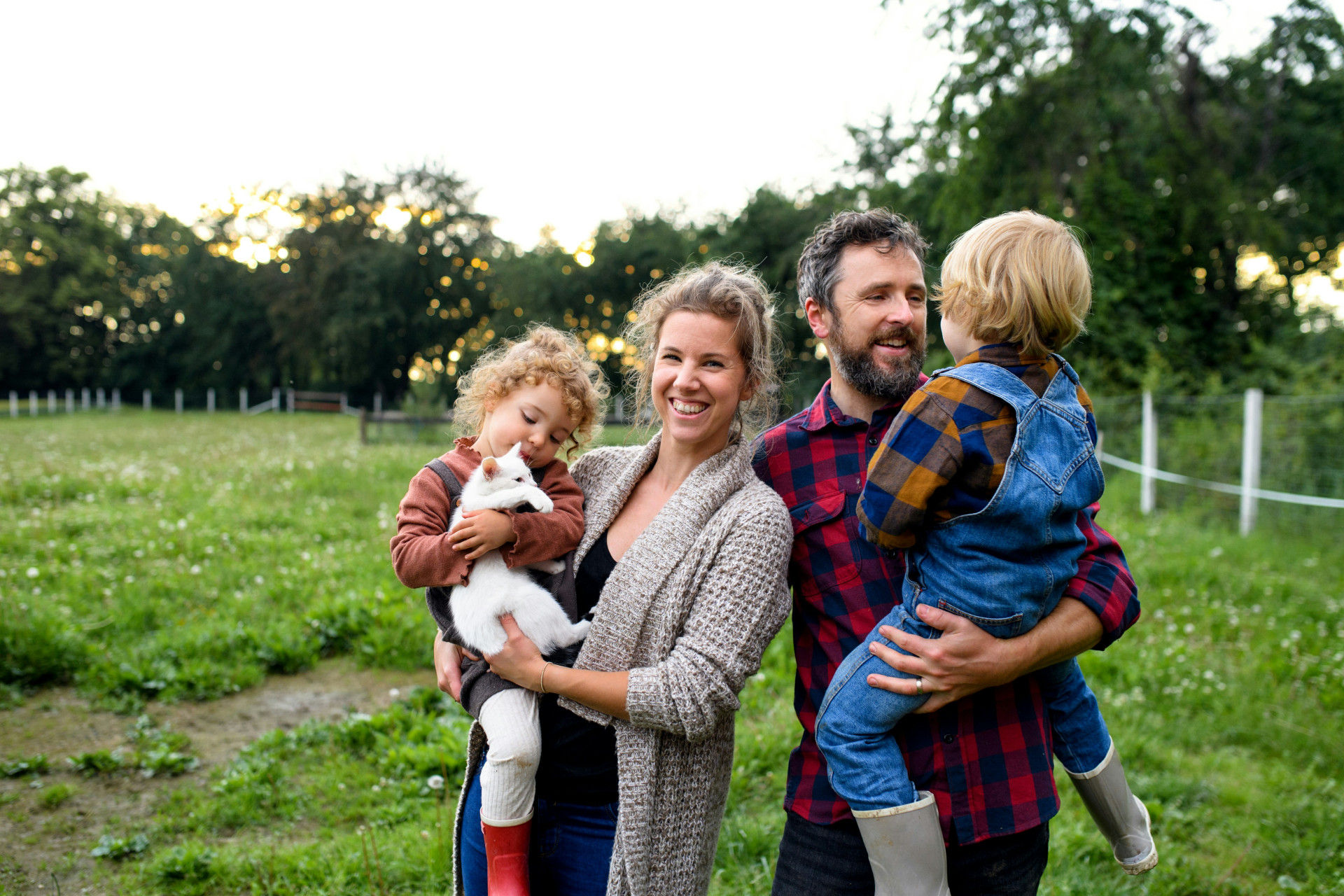
When two families decide to live under one roof, it’s not just furniture and routines that need to fit together – it’s people, emotions, and ways of living. Blended families are becoming increasingly common in New Zealand, but that doesn’t mean the process is always smooth. Different parenting styles, daily habits, and expectations can create tension – but also opportunities for growth, connection, and new traditions. Here’s how you can build a harmonious home when two families become one.
A New Beginning – With History on Both Sides
When two adults with children from previous relationships move in together, everyone brings their own story. The children have their own routines, rules, and comfort zones, while the adults carry experiences – both positive and challenging – from their past family lives. It’s important to acknowledge that everyone needs time to adjust.
Don’t expect everything to fall into place right away. It takes time to find a shared rhythm, and disagreements are normal. The key is to approach each other with patience and curiosity rather than trying to recreate the old life.
Different Parenting Styles – Finding Common Ground
Parenting is often the most sensitive topic in blended families. One parent might value structure and clear boundaries, while the other prefers a more relaxed approach. Children quickly notice these differences, which can lead to confusion or conflict.
Start by having open conversations about your values and limits. What matters most to each of you? Which rules should apply to all children, and where can there be flexibility? Creating a set of shared “house rules” can help everyone know what to expect. This consistency builds a sense of security.
It’s also important to remember that children need time to accept a new adult in their daily life. The new stepparent doesn’t have to take on an authority role immediately – it’s often better to build trust gradually through respect, kindness, and shared experiences.
Everyday Habits That Need to Blend
Every household has its own rhythm – from meal times and chores to how weekends are spent. When two families merge, these small routines can clash or complement each other.
A good way to create shared habits is to involve everyone in the process. Try making a weekly meal plan together, where both adults and children have a say. Or start new traditions that belong to your new family – maybe a Friday night movie, a Sunday beach walk, or a shared breakfast on weekends.
The goal isn’t to choose one family’s way over the other’s, but to create something new together. When everyone feels heard, it’s easier to embrace change.
Læs også:

Communication – The Key to Avoiding Misunderstandings
In a blended family, open communication is essential. Small frustrations can grow if they’re not addressed early. Set aside regular times to talk as a couple about how things are going – both for you and for the children.
Family meetings can also be helpful. Give everyone, including the kids, a chance to share what’s working and what’s difficult. Children feel more secure when they know their opinions matter.
And don’t underestimate the power of humour and flexibility. Life rarely goes exactly as planned, but that doesn’t mean it can’t be good.
Time for Relationships – Together and Apart
When families come together, it’s important to balance shared time with individual relationships. Children still need one-on-one time with their biological parent, and adults need time as a couple. These moments strengthen bonds and help everyone recharge.
Plan small activities that bring you together – but also respect the need for space. It’s natural for both children and adults to want some alone time now and then.
When Things Get Tough
Even with the best intentions, blended families can face periods of frustration or doubt. A child might feel left out, or an adult might struggle to find their role. In these moments, seeking support can make a big difference – whether from friends, extended family, or a family counsellor.
Asking for help isn’t a sign of weakness; it shows that you care about your relationships. Many families find that outside perspectives help them see challenges in a new light.
A Family in Progress
Creating a blended family is a journey, not a project with a fixed end date. There will be ups and downs, but also many moments of joy, connection, and love. When two families become one, it’s not about erasing the past – it’s about building on it, with respect for differences and a shared vision for the future.
With time, patience, and openness, two families can truly become one – not because everyone becomes the same, but because everyone is accepted for who they are in a new, shared home.
Læs også: