The many faces of grief: Why we experience it so differently

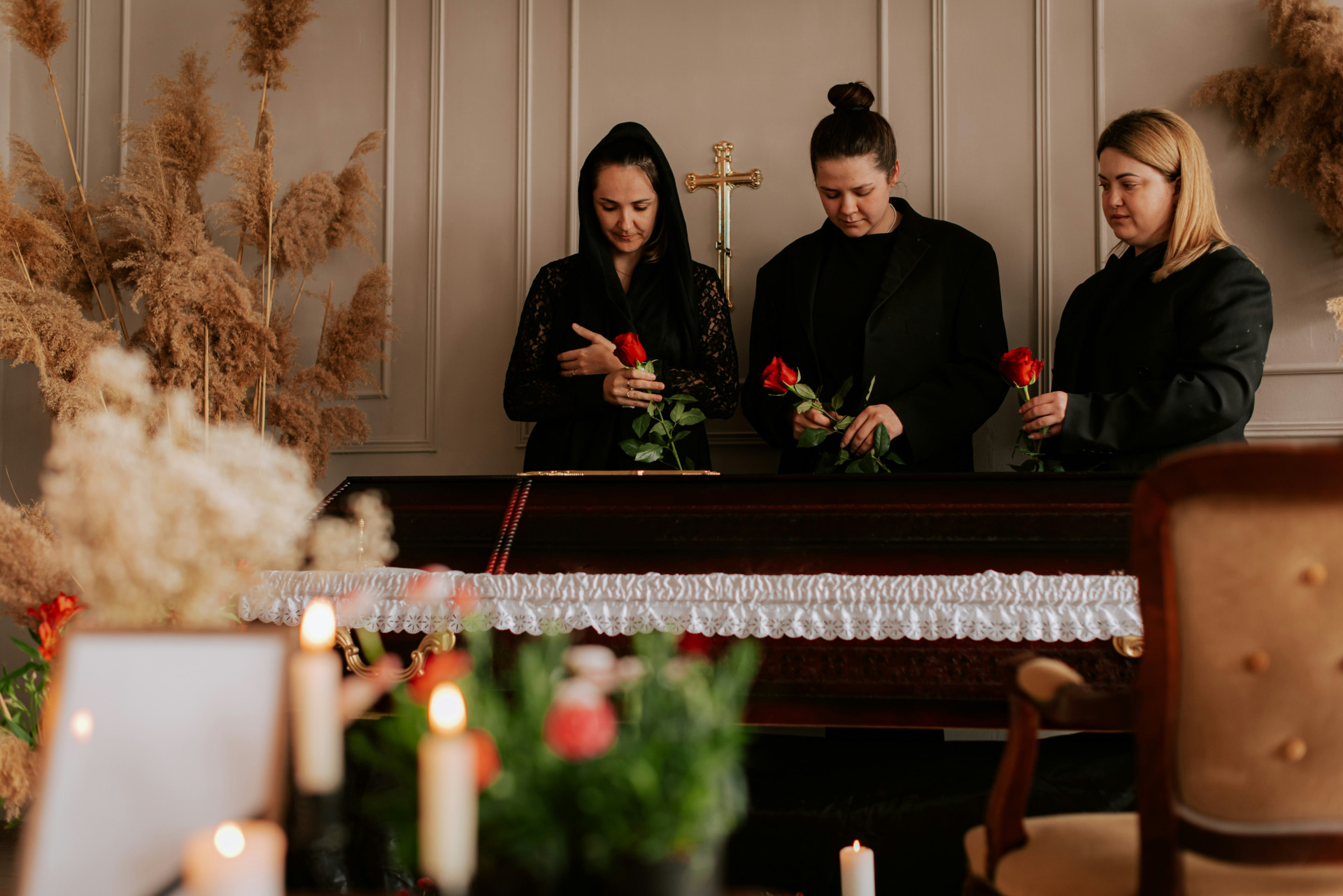
The many faces of grief: Why we experience it so differently
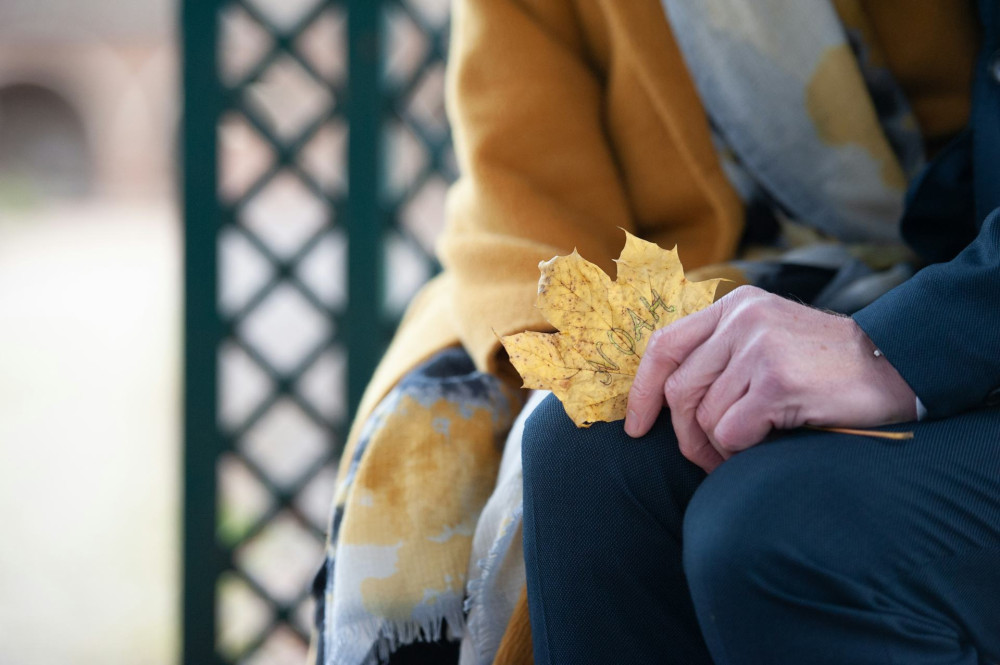
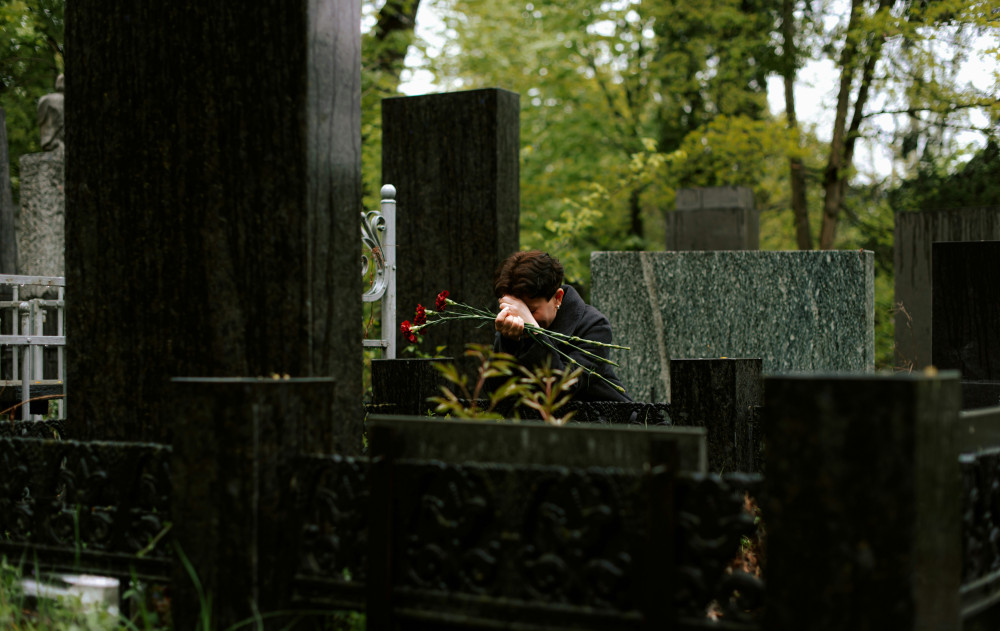
Grief is one of the most universal human experiences – and at the same time, one of the most personal. It can feel like a heavy fog, a sudden wave, a quiet ache, or even a strange sense of relief. No two people grieve in the same way, and even within one lifetime, we may experience grief differently each time it visits us. But why do we respond so differently to loss?
The many forms of grief
We often associate grief with death, but it can arise in many other situations: the end of a relationship, the loss of a job, a serious illness, or the fading of a dream. What all forms of grief share is the experience of losing something meaningful – and the challenge of finding a way to live on without it.
Modern psychology no longer sees grief as a straight line from pain to acceptance. Instead, it’s understood as a movement between two states: one focused on the loss itself, and another on rebuilding life. Some days are filled with tears and longing; others bring small glimpses of hope. Both are natural, and both are part of healing.
Biology, personality, and life experience
There are many reasons why grief feels different for each of us. Our biological makeup and personality play a role. Some people have a more sensitive nervous system and feel emotions more intensely, while others find comfort in structure and routine even in the midst of chaos.
Past experiences with loss also shape how we cope. Someone who has faced grief before and found ways to move through it may draw on that inner strength again. Others may find that old, unresolved pain makes new losses even harder to bear.
Culture and expectations shape our grief
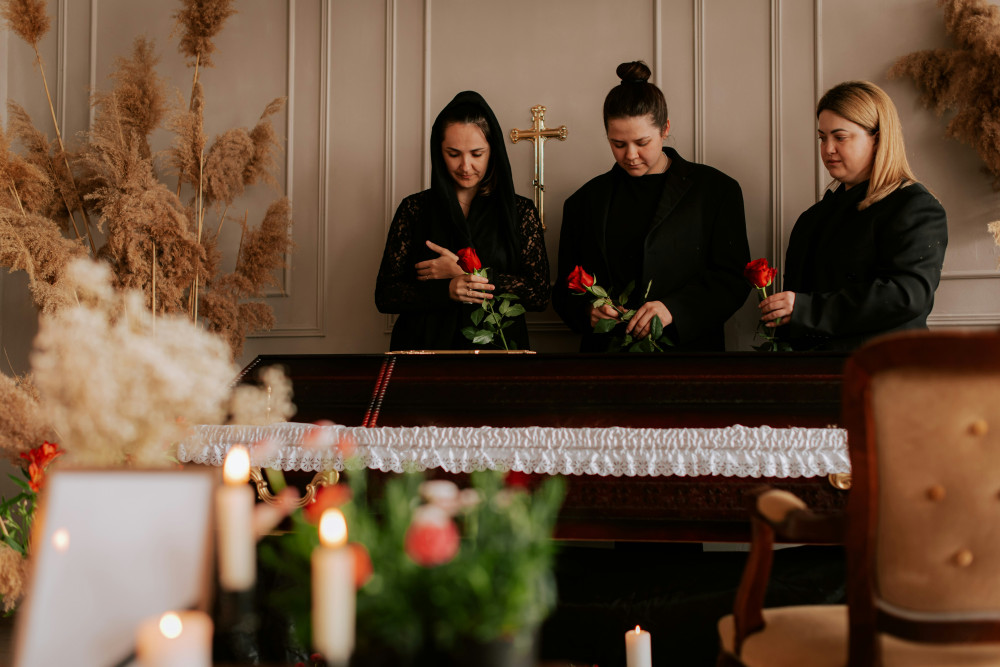
Grief is not only personal – it’s also cultural. Around the world, people express loss in very different ways. In Aotearoa New Zealand, for example, Māori traditions often emphasise collective mourning and remembrance, with tangihanga (funeral gatherings) providing space for open expression of emotion and community support. In contrast, some Pākehā or Western traditions may focus more on privacy and restraint.
Social expectations can influence how we allow ourselves to grieve. Many people feel pressure to “move on” after a certain time, even when the pain is still raw. This can lead to guilt or isolation, especially if others don’t understand that grief doesn’t follow a timetable.
When grief changes shape
Over time, grief often transforms. It rarely disappears completely, but it becomes easier to carry. For some, it turns into a quiet companion – a reminder of love that once was. For others, it resurfaces unexpectedly, triggered by a song, a scent, or a familiar place.
Accepting that grief can evolve is an important part of healing. It’s not about forgetting, but about learning to live with the loss in a new way – where memories can exist without overwhelming us.
The power of connection and support
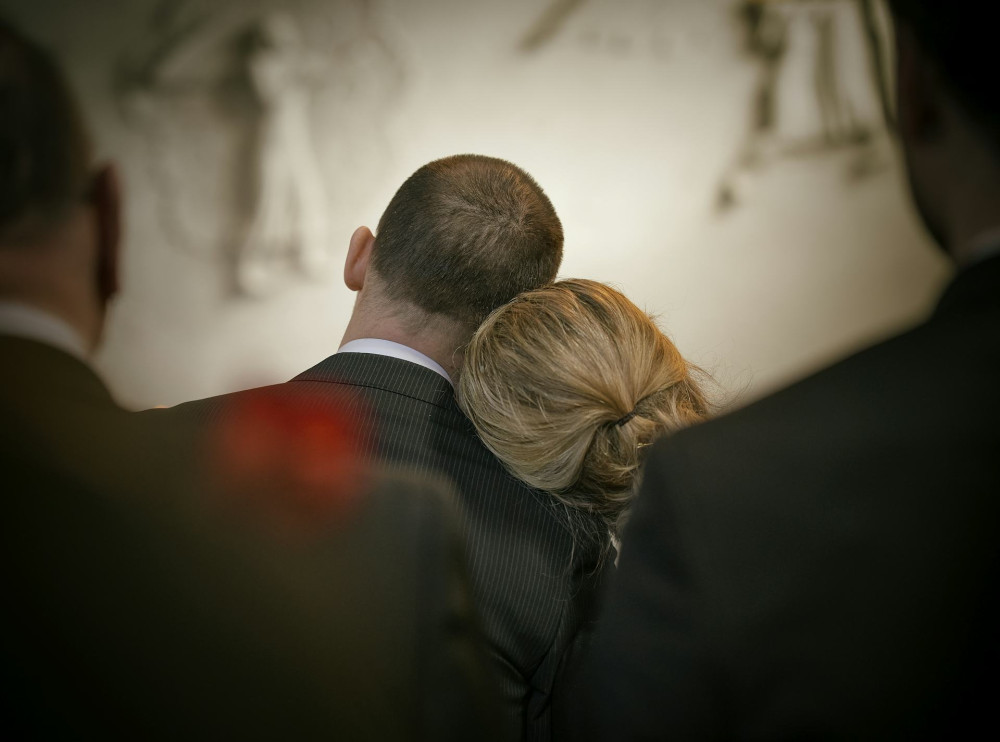
Although grief feels deeply personal, it’s not something we are meant to face alone. Research shows that people who have support from whānau, friends, or grief groups often navigate loss more gently. Being met with understanding – without pressure to “be strong” – can be a profound relief.
Creative expression can also help: writing, music, time in nature, or simply talking about what hurts. When we give shape to our grief, we begin to make sense of it.
Læs også:
Grief as part of life
Grief reminds us that we have loved, hoped, and cared deeply. It is the cost of connection – but also a testament to the richness of being human. Recognising grief as a natural part of life can help us grow in empathy, both for ourselves and for others.
There is no right or wrong way to grieve. There is only your way – and it deserves time, space, and compassion.
Læs også: