Sensory Design – When Materials, Scents and Sounds Create Atmosphere

Sensory Design – When Materials, Scents and Sounds Create Atmosphere
When we step into a space, we often feel it before we truly see it. The scent of timber, the sound of footsteps on a wooden floor, the texture of fabric beneath our fingers – all these sensory impressions shape how we experience a place. Sensory design is about creating atmosphere through materials, scents and sounds, turning a house into a home and a space into an experience.
Materials that Speak to the Senses
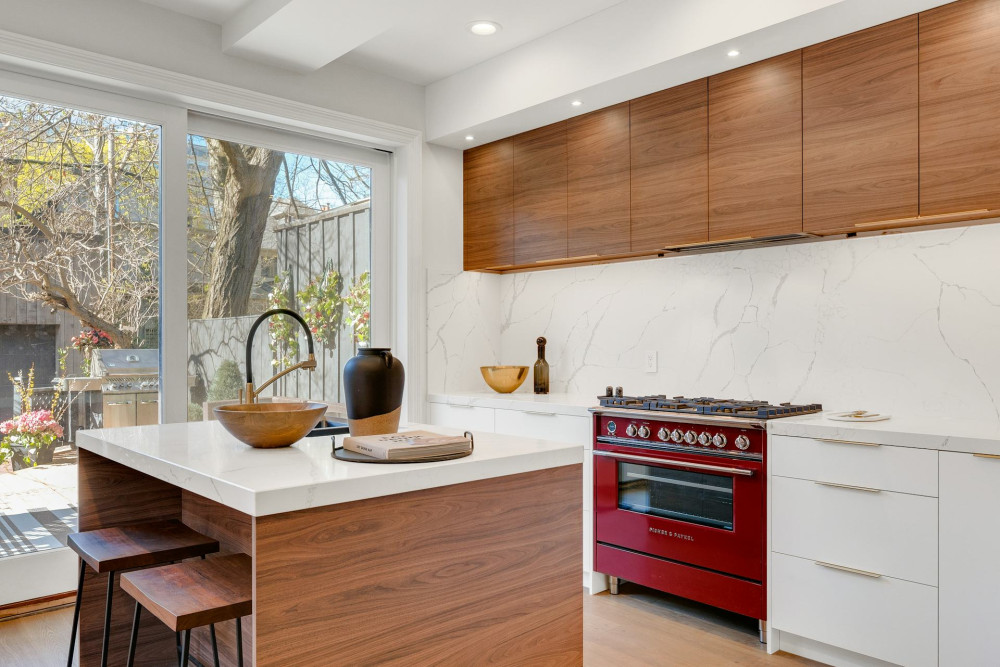
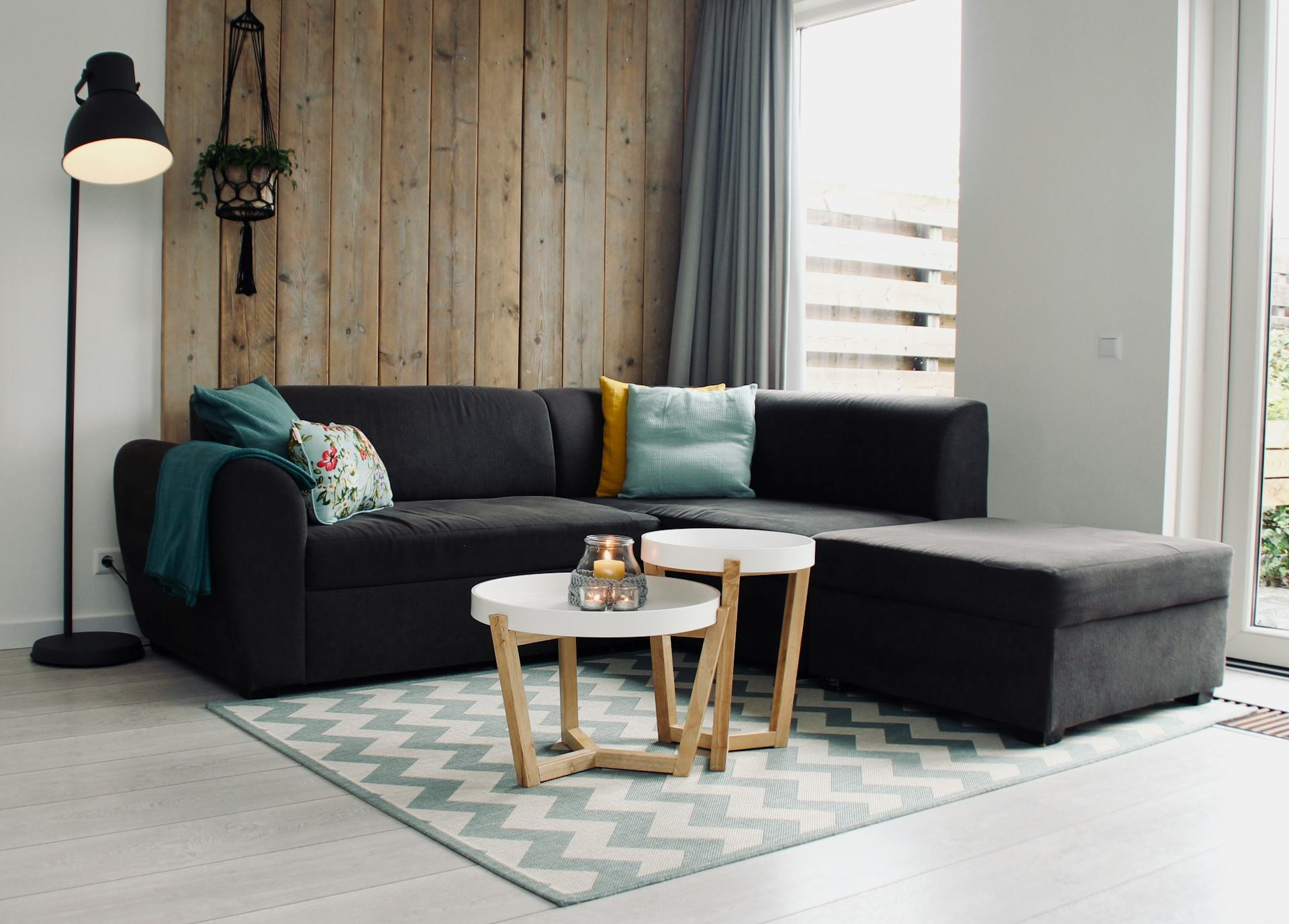
Materials form the foundation of any sensory experience. They influence both the look of a room and how we physically interact with it. A floor made of native timber feels warm and alive, while stone or concrete brings a sense of calm solidity. Textiles such as wool, linen and cotton add softness and tactile variety.
When choosing materials, think in contrasts: smooth against rough, cool against warm, hard against soft. This interplay creates depth and balance. A room where every surface feels the same can quickly become flat, but when textures complement each other, the space comes to life.
In New Zealand, we have a rich palette of natural materials to draw from – rimu, kauri, wool, flax and clay. These materials not only connect us to the land but also age beautifully, telling a story of use and time. Let nature guide your choices; authenticity is something that can be felt.
The Role of Scent in Atmosphere
Scent is one of the most powerful senses when it comes to mood. It can evoke memories, create calm or energise a space. In interior design, scent should be used deliberately – not as decoration, but as part of the overall experience.
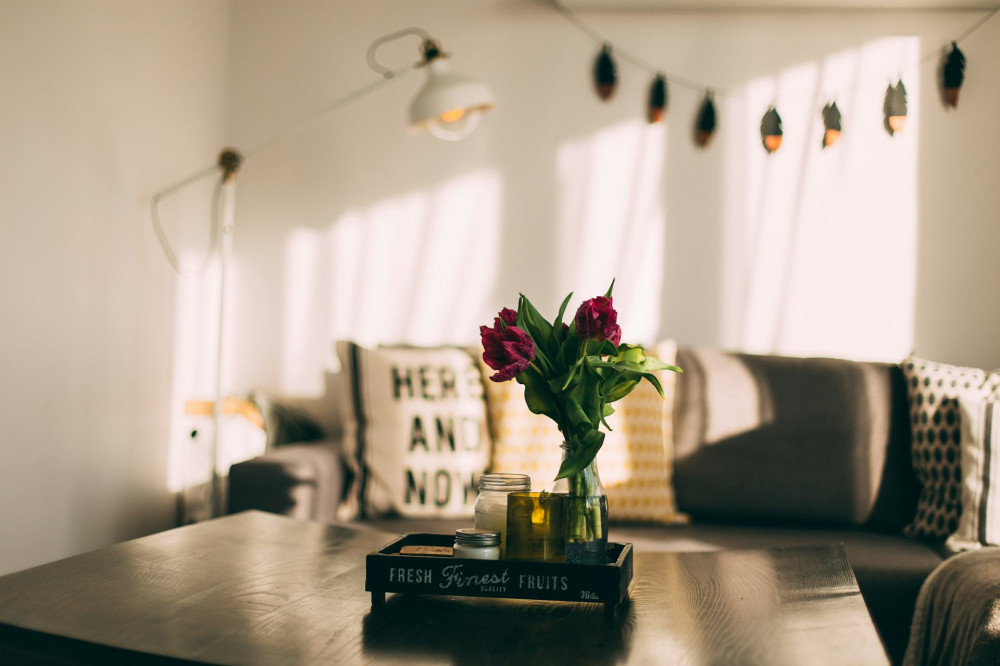
Fresh flowers, essential oils, or even the aroma of freshly brewed coffee can transform how a room feels. Consider how scent supports the function of each space: a hint of citrus in the kitchen, lavender in the bedroom, or woody notes in the living room.
The key is subtlety. A gentle, natural fragrance that lingers softly in the background can be far more inviting than a strong, artificial scent. In New Zealand homes, where fresh air and open windows are part of daily life, scent should enhance rather than overpower.
Sounds that Shape Calm and Rhythm
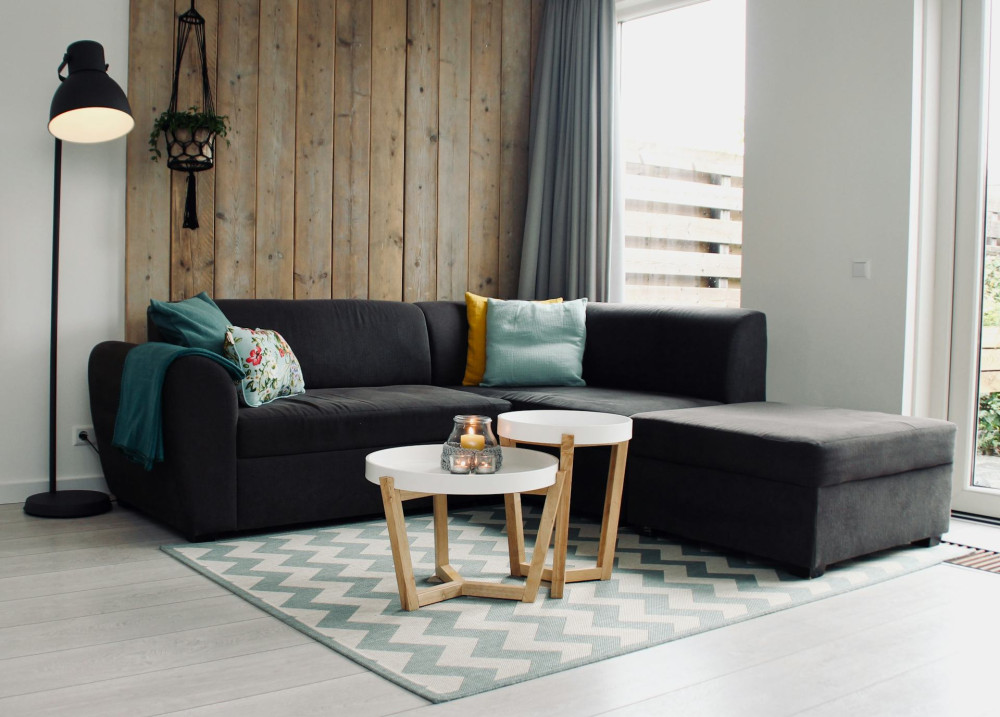
Sound is often overlooked in design, yet it has a profound effect on how we feel. Hard surfaces can make a room echo and feel cold, while rugs, curtains and cushions soften acoustics and create warmth.
Think about the sounds you want to live with. Perhaps it’s the gentle hum of cicadas on a summer evening, the crackle of a fire in winter, or the rhythm of rain on the roof. You can also introduce natural soundscapes – birdsong, ocean waves, or flowing water – to bring a sense of peace indoors.
Technology can help manage sound, but balance is key. A home that allows for quiet moments can be just as sensory as one filled with music and movement.
Læs også:
Light and Temperature – The Overlooked Senses
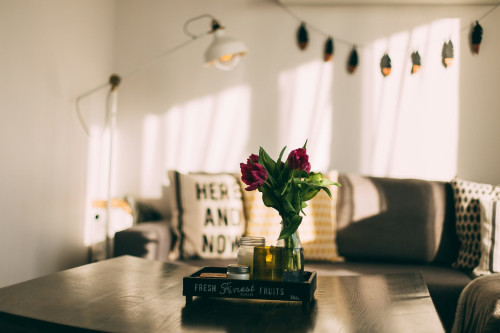
While materials, scents and sounds take centre stage, light and temperature are equally important. Natural light brings energy and life, while soft, warm lighting creates intimacy. Use warm-toned lamps in living areas and cooler light in workspaces to support different moods.
Temperature also shapes how we experience a room. A cool bathroom can feel refreshing, while a slightly cooler bedroom encourages restful sleep. Adjusting both light and warmth helps reinforce the atmosphere you want to create.
Creating Your Own Sensory Home
Sensory design isn’t about following trends – it’s about creating a home that feels right for you. Start by noticing what makes you feel comfortable: Which materials calm you? Which scents remind you of home? Which sounds help you unwind?
When you design with your senses as your guide, your home becomes more than a visual project – it becomes a living, breathing experience. A place where you can slow down, take a deep breath, and truly feel at home.
Læs også: