Healthy Habits for Kids: Create Positive Food Experiences Together

Healthy Habits for Kids: Create Positive Food Experiences Together
Helping children build healthy eating habits is about more than what’s on the plate – it’s about the experiences that come with it. When kids are involved in cooking, exploring new ingredients, and learning where their food comes from, healthy eating becomes a natural and enjoyable part of everyday life. It’s about making food fun, safe, and shared – not a chore.
Make Mealtimes Meaningful
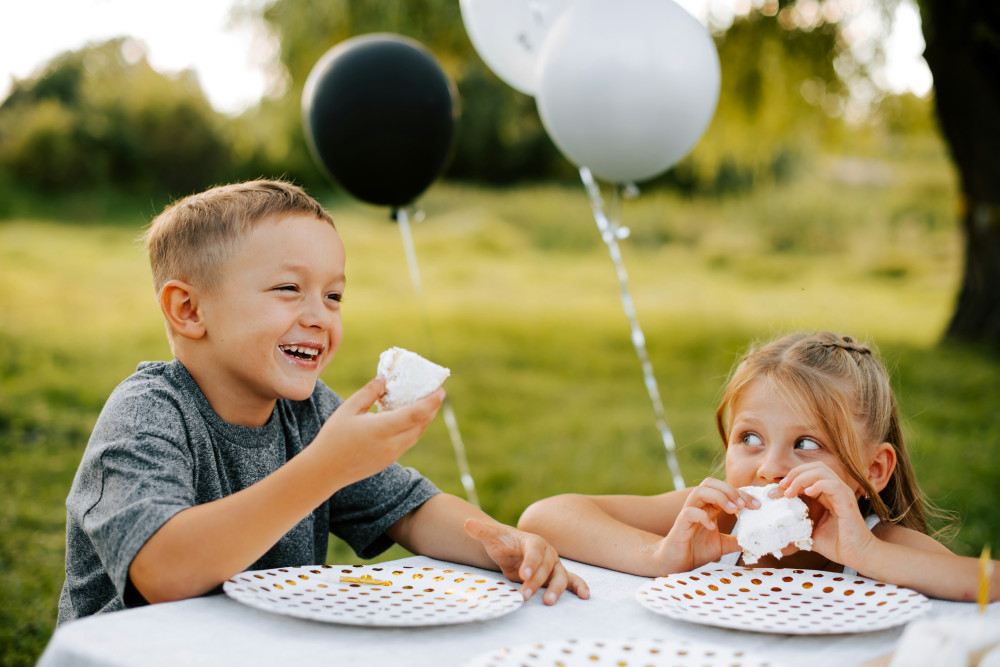
Family meals are one of the best ways to connect. They’re a time to talk about the day, share stories, and slow down together. When children associate mealtimes with warmth and togetherness, they also develop a more positive relationship with food.
Invite your kids to take part in planning meals. Let them choose a dish for the week, set the table, or help decorate the food. When they feel involved, they’re more likely to try new things – even the ones they might usually turn down.
Get Kids Involved in the Kitchen
Even young children can help in the kitchen. They can wash vegetables, stir a bowl, or taste ingredients as you go. Older kids can learn to chop, bake, or prepare simple meals on their own. These experiences build confidence, coordination, and an understanding of what healthy food looks like.
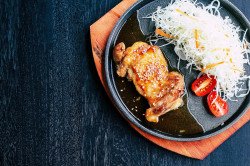
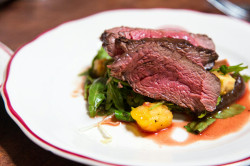
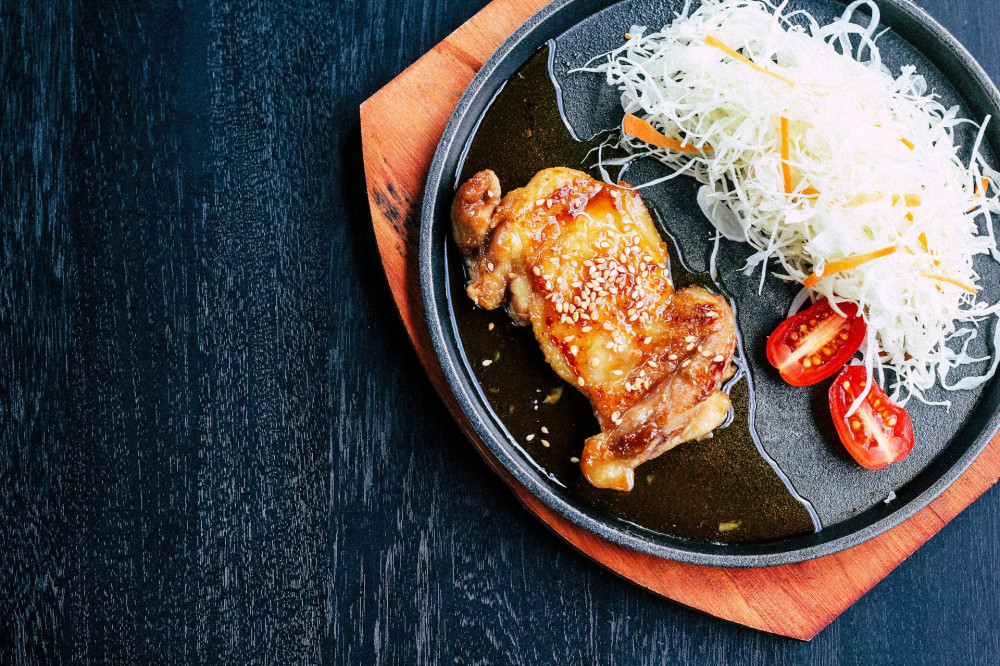
When kids are allowed to experiment, they become curious. They might discover that roasted kūmara tastes sweet, or that fresh fish can be crispy and delicious. These small discoveries help them see healthy food as something exciting and worth choosing.
Build Good Habits Without Strict Rules
Healthy eating isn’t about banning treats – it’s about balance. When children learn that all foods can fit into a healthy lifestyle, they become better at listening to their own hunger and fullness cues.
Talk with your kids about why the body needs different types of food, without making it sound like a lecture. Use simple, positive language: “Fruit gives us energy for play,” or “Whole grains help our brains think clearly.” This helps children connect food with how they feel, rather than with guilt or restriction.
Make Healthy Food Fun and Colourful
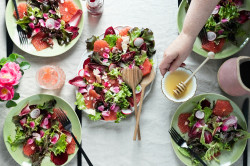
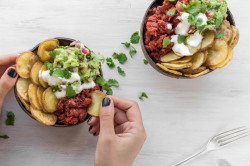
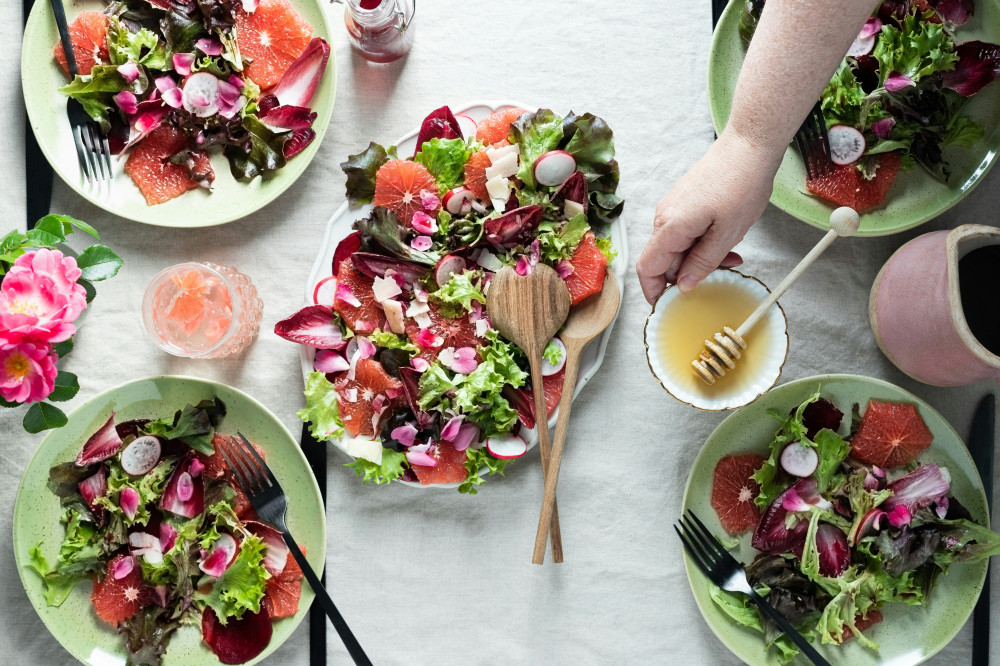
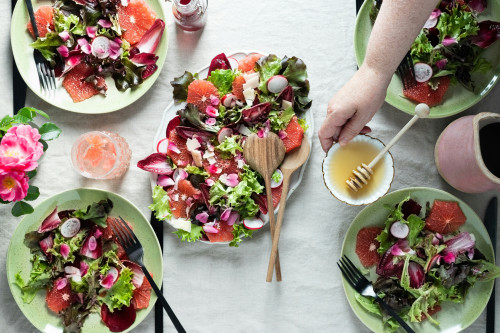
Kids eat with their eyes – and their imagination. Brightly coloured vegetables, playful shapes, and small tasting games can make a big difference. Try making veggie sticks in rainbow colours, fruit kebabs, or a “taste test” game where they guess what they’re eating with their eyes closed.
It’s not about perfection, but about creating joy and curiosity around food. When children associate healthy eating with fun, it becomes a natural part of their lives.
Explore Nature and Local Food Together
Food experiences start long before you sit down to eat. Take your kids outside to pick berries, visit a local farmers’ market, or explore a community garden. In New Zealand, we’re lucky to have access to fresh, local produce – from crisp apples in Hawke’s Bay to sweet corn in Gisborne and fresh seafood along the coast.
Let your children choose a new fruit or vegetable to try. It could be a feijoa, a purple carrot, or a new type of lettuce. These small adventures help expand their taste buds and teach them where food really comes from.
Create Routines That Last
Healthy habits grow through consistency. Try setting regular mealtimes, having a weekly “kids’ cooking night,” or making weekend breakfasts a family tradition. Routines give children a sense of security and make it easier to keep up good habits.
Remember, children learn most from what they see. If you enjoy a variety of foods and eat mindfully, they’ll often follow your lead. It’s the small, repeated actions that make the biggest difference over time.
Læs også:
Food as Connection and Learning
Food is more than fuel – it’s culture, connection, and learning. When children take part in preparing and sharing meals, they learn about teamwork, responsibility, and respect for ingredients. These are lessons that last a lifetime.
Creating positive food experiences together isn’t about following a strict diet plan. It’s about giving children a foundation of joy, curiosity, and awareness around food. That’s one of the best gifts you can give them – and yourself.
Læs også: