Find the right running shoes for your foot type and running style as a woman

Find the right running shoes for your foot type and running style as a woman
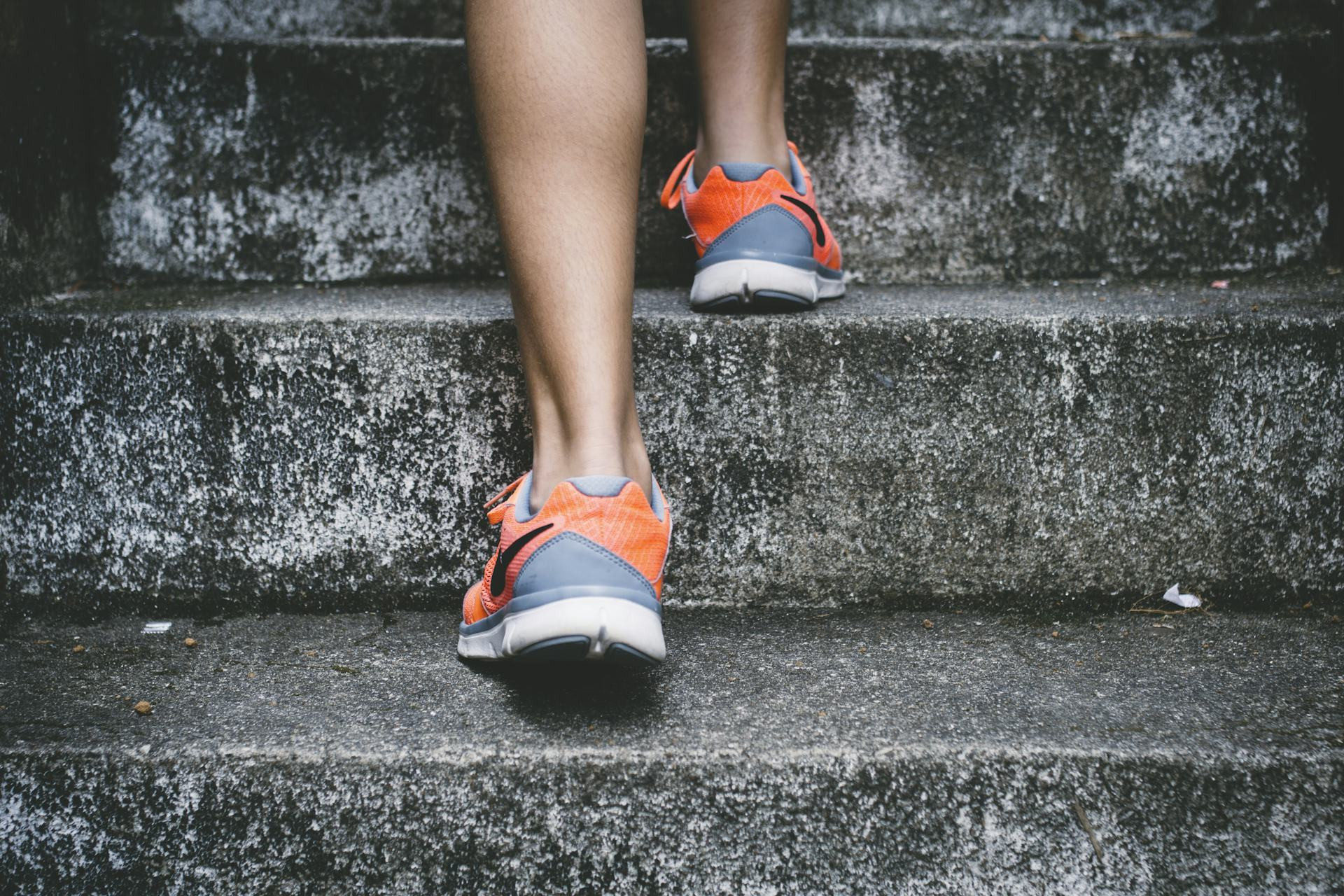
Finding the right running shoes can make all the difference for comfort, performance, and injury prevention. For women, it’s especially important to choose shoes that suit the body’s anatomy and individual running style. Women’s feet often have a slightly different shape than men’s – typically a narrower heel, lower arch, and different weight distribution – and that should be reflected in your choice of shoes. Here’s a guide to help you find the perfect pair for your feet and your runs.
Know your foot type
The first step in choosing the right running shoes is understanding your foot type. Feet can generally be divided into three categories based on arch height:
- Low arch (pronation) – The foot rolls inward when you run. You’ll need shoes with good arch support and stability in the midsole.
- Normal arch (neutral gait) – The foot lands and pushes off naturally. Neutral running shoes with good cushioning are ideal.
- High arch (supination) – The foot rolls outward, putting more pressure on the outer edge. Flexible shoes with extra cushioning in the heel and forefoot work best.
You can test your arch type by looking at a wet footprint on a piece of paper. If you see most of your foot, you likely have a low arch. If you see only the heel and forefoot connected by a narrow band, you have a high arch.
Understand your running style
Your running style also plays a big role. Some runners land on their heels, others on the midfoot or forefoot. This affects how much shock your body absorbs and where your shoes need to provide the most support.
- Heel strikers need shoes with strong cushioning in the heel.
- Midfoot and forefoot runners should look for shoes with a lower heel-to-toe drop, allowing for a more natural stride.
Many running stores in New Zealand offer free gait analysis, where you run on a treadmill while an expert assesses your movement. This can be a great help, especially if you’re new to running or have experienced injuries.
Women’s specific needs
Women’s running shoes aren’t just smaller versions of men’s models. They’re designed with women’s biomechanics in mind. Women often have a wider forefoot, narrower heel, and lighter body weight, which means the shoe should provide support without feeling bulky.
Hormonal changes – for example, during the menstrual cycle or pregnancy – can also affect joint stability and foot shape. It’s a good idea to try on shoes later in the day when your feet are slightly swollen, ensuring they won’t feel too tight during a run.
Choose shoes for your terrain
Where you run matters just as much as how you run.
- Road running on pavements or footpaths calls for shoes with good cushioning to absorb impact on hard surfaces.
- Gravel paths and park trails require shoes with more grip and stability.
- Trail running in New Zealand’s rugged landscapes – from forest tracks to mountain trails – demands shoes with deeper tread, rock protection, and a snug fit to prevent slipping inside the shoe.
If you mix road and trail running, consider an all-round model that balances cushioning and traction.
Læs også:


How to try on your shoes
When trying on running shoes, they should feel snug but not tight. There should be about a thumb’s width of space between your longest toe and the front of the shoe. The heel should stay secure without slipping, and the shoe should feel stable as you move.
Wear the socks you usually run in, and if possible, test the shoes on a surface where you can jog a few steps. Comfort should be immediate – running shoes shouldn’t need to be “broken in.”
Replace your shoes in time
Even the best running shoes lose their cushioning over time. As a rule of thumb, replace them after about 600–800 kilometres, depending on your weight, running style, and terrain. If you start feeling aches in your knees, hips, or feet, it might be a sign that your shoes have worn out.
Make it personal
There’s no single perfect running shoe for everyone. It’s about finding the model that feels right for you – in fit, support, and comfort. Try several brands and models, and don’t hesitate to ask for advice in-store. A good running shoe should feel like a natural extension of your foot.
Once you find the right pair, you’ll notice the difference – in your running enjoyment, your performance, and how light your body feels after every run.
Læs også: